Introduction
In the world of emergency clinical solutions, preserving calmness throughout a dilemma is not just an ability; it's a crucial quality that can mean the difference between life and death. Basic Life Support (BLS) responders frequently locate themselves in high-pressure circumstances where fast thinking and peace are essential. This write-up explores efficient techniques for BLS -responders to keep their calmness while executing their responsibilities, particularly when faced with critical situations calling for immediate action.
Maintaining Calmness Throughout a Crisis: Tips for BLS Responders
Understanding the Importance of Composure
When confronted with emergency situations, the capacity to remain tranquil allows responders to make sensible choices swiftly. Panic or anxiety can cloud judgment and decrease reactions, which might cause catastrophic outcomes in life-threatening scenarios.
The Duty of Training in Building Composure
One basic method to promote calmness is with extensive training. Regular simulation workouts allow responders to practice their skills under pressure, mimicking real-life emergency situations. This hands-on experience can dramatically enhance confidence levels when actual situations arise.
Basic vs Advanced Life Support: A Crucial Distinction
Understanding the distinctions between basic and advanced life support can assist -responders understand when to use details techniques. While BLS concentrates on fundamental skills such as mouth-to-mouth resuscitation and AED usage, advanced life assistance includes much more intricate interventions like drug administration and intrusive procedures.
Recognizing Your Range of Practice
It's vital for BLS providers to know their constraints. Standing up to the urge to tip over one's head's training helps preserve emphasis and composure during stressful situations.
Checking Responsiveness: The Primary Step in Assessment
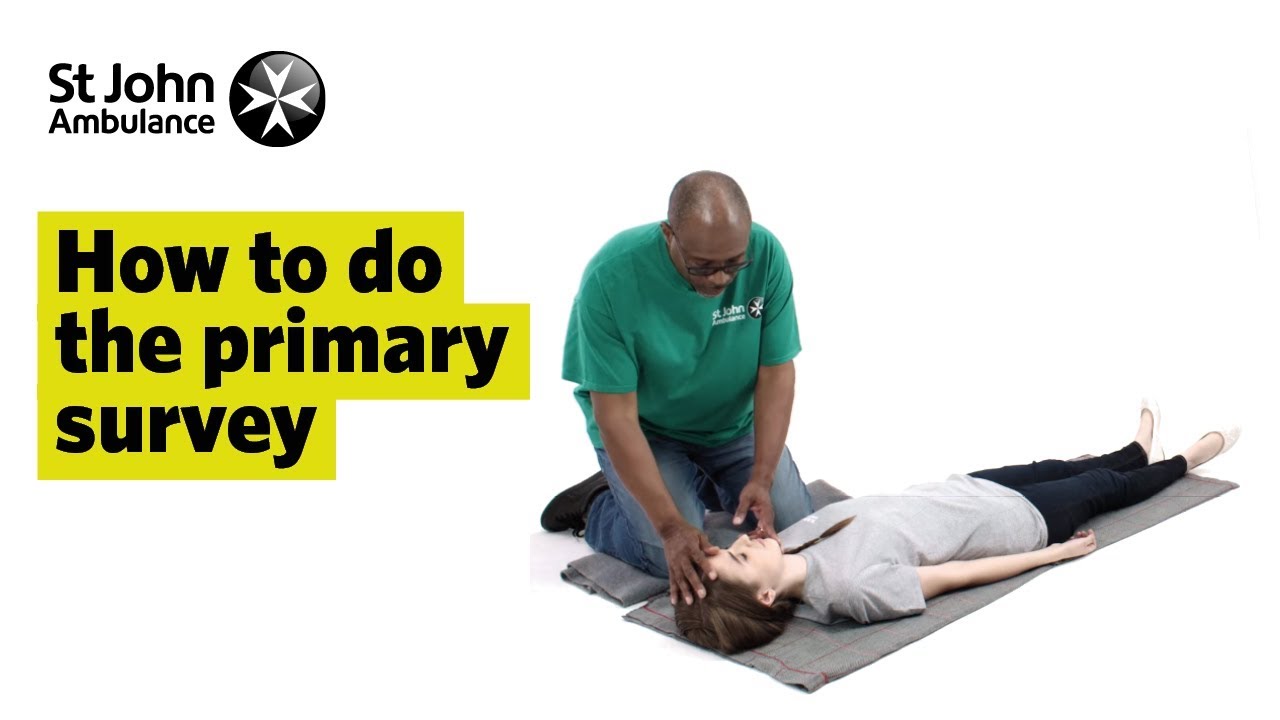
When getting to a scene, one of the first actions is checking responsiveness. This entails carefully trembling the casualty while asking if they are all right. A less competent person needs immediate focus and could be suffering from problems such as heart attack or stroke.
Techniques for Effective Responsiveness Checks
Click here for more Shaking delicately: Make use of a firm yet mild approach. Clear verbal prompts: Ask straight questions. Observe physical signs: Search for indications of breathing or movement.Identifying No Breathing: An Essential Skill
Identifying whether a casualty is breathing is crucial in BLS feedback. If there's no breathing detected, initiating mouth-to-mouth resuscitation immediately is essential.
How to Check Casualty's Breathing
- Look: Observe if the chest rises and falls. Listen: Put your ear near their mouth. Feel: Look for breath versus your cheek.
Utilizing Medical facility Codes and Protocols
Familiarity with healthcare facility codes and methods can simplify interaction during emergencies. These codes help ensure that all staff member are on the same web page pertaining to patient standing and required interventions.
Importance of Communication
Effective communication minimizes complication amongst staff member, permitting them to perform their duties efficiently without second-guessing each other in high-stress environments.
Public Defibrillator Use: When Every Second Counts
Public access defibrillators (PADs) have actually become Find more information very useful tools in conserving lives during heart occasions. Recognizing just how to make use of these gadgets can dramatically boost survival rates.

Steps for Using a Public Defibrillator:
Turn on the device: Follow voice prompts. Attach pads: Make certain appropriate placement on bare skin. Follow instructions: Permit the tool to evaluate heart rhythm before delivering shocks if necessary.Taking Turns on Compressions: A Team Effort
When executing mouth-to-mouth resuscitation, taking turns on compressions aids prevent fatigue among rescuers, making sure constant blood flow up until professional assistance arrives.
Guidelines for Reliable Compression Teams:
- Rotate every 2 minutes: To maintain ideal compression quality. Communicate clearly: Introduce when it's time to switch over roles. Stay focused: Keep focus high throughout rotations.
Slow Compression Rate vs Lower Compression Depth
While it's essential to preserve a right compression rate (100-120 compressions per min), over-exertion can result in reduced compression deepness, which decreases efficiency.
Finding Balance
Responders must focus on steady rhythm instead of speed alone while making certain compressions reach adequate deepness (at the very least 2 inches).
Additional Methods for Maintaining Composure
Mindfulness Strategies During Emergencies
Practicing mindfulness methods-- such as deep breathing-- can reduce stress and anxiety degrees considerably prior to and during an emergency feedback situation.
Simple Mindfulness Practices:
Deep Breathing Exercises: Inhale deeply through your nose; breathe out gradually via your mouth. Visualization Techniques: Envision on your own effectively managing the scenario at hand.Debriefing After Crises
Post-event debriefings offer -responders a chance to assess their efficiency and emotion during an occurrence, allowing them space for personal development and improvement.
Key Points for Effective Debriefings:
- Discuss feelings freely: Share psychological actions without judgement. Analyze what functioned well or badly: Identify toughness and locations needing improvement.
FAQs About Preserving Calmness Throughout a Crisis
What ought to I do first when I get to a scene?
The first step is examining responsiveness followed by examining breathing condition prior to beginning any kind of treatments like CPR if needed.
How do I manage my feelings throughout stressful situations?
Practicing mindfulness methods such as deep-breathing exercises before reacting can aid you handle stress successfully throughout emergencies.
Why is teamwork important in BLS?
Teamwork advertises much better sychronisation amongst rescuers, making certain tasks are done successfully without complication or miscommunication under pressure.
What are health center codes?
Hospital codes describe standard messages made use of within health care setups that interact immediate circumstances rapidly among personnel without creating panic among people or visitors.
Are public defibrillators secure to use?
Yes! Public defibrillators are created with security functions that direct individuals with each action of procedure; they just provide shocks when essential based on heart rhythm analysis.
How typically should rescuers revolve during CPR?
Rescuers must aim to take turns every 2 minutes; this assists maintain premium compressions without risking exhaustion affecting effectiveness over time.
Conclusion
In verdict, keeping calmness throughout a dilemma is critical for BLS -responders entrusted with making quick choices that conserve lives daily. By recognizing key skills-- such as checking responsiveness, recognizing no breathing-- and executing reliable communication approaches via developed protocols like medical facility codes or public defibrillator use; responders can excel also under immense pressure. With recurring training focused on structure psychological resilience together with technical know-how; we equip ourselves not just as lifesavers yet also as individuals efficient in taking care of misfortunes beautifully amidst turmoil-- eventually leading us towards effective emergency situation outcomes again and again again!
This detailed short article extensively covers different elements of maintaining composure during dilemmas especially customized for Basic Life Support responders while incorporating necessary key words throughout its structure favorable in the direction of boosting readability alongside SEO effectiveness!